

New approaches for peri-implant soft tissue boosting
 Lecture
Peri-implant soft tissue deficiencies in the aesthetic zone represent a critical limitation to achieving long-term functional and aesthetic success. Thin biotypes, loss of buccal volume, and inadequate implant positioning frequently result in compromised tissue stability and unfavourable outcomes. Traditional prosthetic solutions alone are insufficient to address these complex defects.
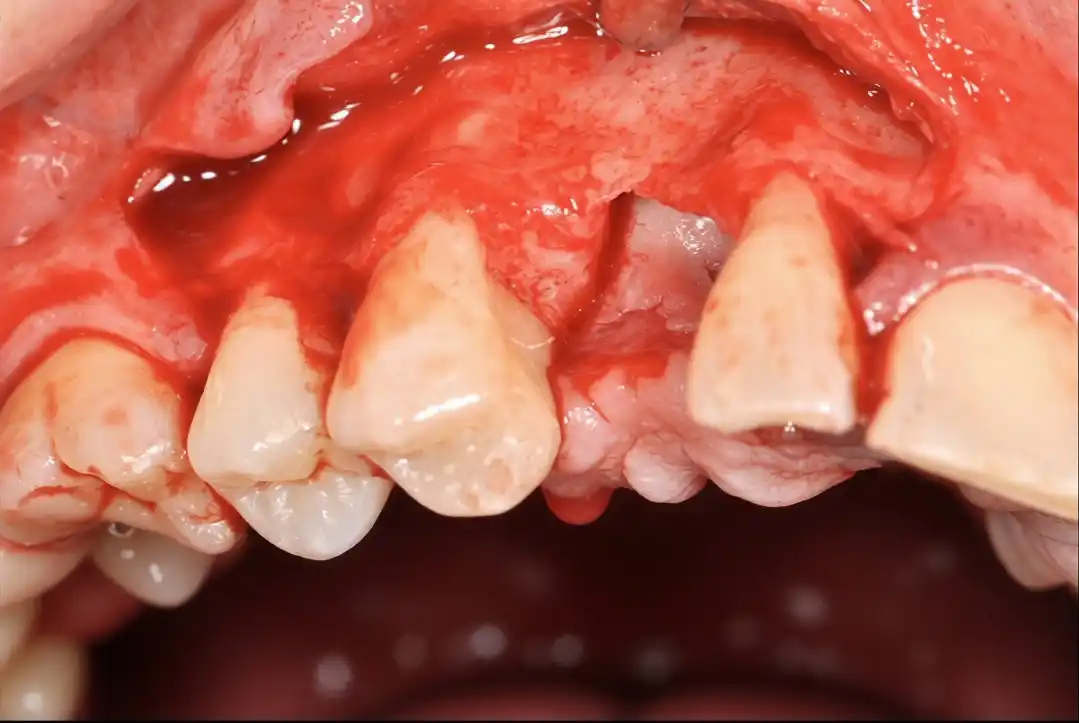
A biologically driven approach focusing on three-dimensional soft tissue reconstruction is essential. The Buccal Pedicle Flap, as introduced by Giorgio Tabanella, enables predictable enhancement of soft tissue thickness while preserving vascular supply. This minimally invasive technique promotes volumetric stability, improves gingival contour, and enhances the masking of underlying implant components.
Particular attention is given to the recreation of natural convexity and papillary architecture, which are key determinants of aesthetic integration. In selected cases, staged procedures may be required to progressively optimize tissue quality and morphology.
This approach shifts the paradigm from purely prosthetic correction to biologically guided regeneration, where soft tissue augmentation plays a central role in achieving biomimetic outcomes. Long-term success in the aesthetic zone is therefore defined not only by implant survival, but by the harmonious integration of peri-implant tissues.
This content is reserved for OREC Prime members.
Already have an OREC Prime account?
Not in OREC Prime Community yet?
Join a growing network of professionals and get free access to exclusive resources.
