

Predictable Regeneration in Implant Dentistry: From GBR to Aesthetic Success.
Program Highlights
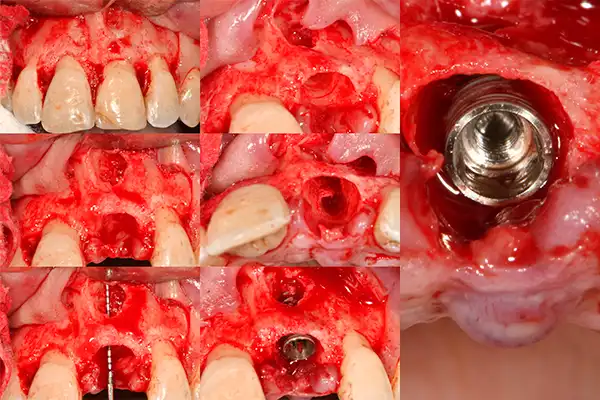
- Diagnosis, defect morphology, three-dimensional implant positioning, membrane management, graft selection, and primary wound closure
- Clinical strategies for managing challenging anterior defects
- the creation of a stable three-dimensional biological foundation capable of supporting natural-looking, harmonious, and long-lasting peri-implant aesthetics
Agenda
Friday 21 October 2026
09:00
Principles that connect GBR with long-term aesthetic outcomes: diagnosis, defect morphology, three-dimensional implant positioning.
10:00
Membrane management, graft selection, and primary wound closure.
11.30
Relationship between buccal bone thickness, soft-tissue volume, emergence profile, and the preservation or reconstruction of the peri-implant architecture.
13.30
Clinical strategies for managing challenging anterior defects.
14.30
The creation of a stable three-dimensional biological foundation capable of supporting natural-looking, harmonious, and long-lasting peri-implant aesthetics.
16:30
Hands-on
18:30
Q&A
Learning outcomes
At the end of this lecture, participants will be able to:
- Identify the key biological and anatomical factors that influence the predictability of GBR and peri-implant aesthetic outcomes.
- Evaluate bone-defect morphology and determine appropriate indications and treatment strategies for GBR in the aesthetic zone.
- Apply principles of three-dimensional implant positioning and hard- and soft-tissue management to establish a stable peri-implant architecture.
- Select appropriate grafting materials, membranes, and surgical approaches according to defect characteristics and clinical objectives.
- Recognize the critical factors required for membrane stabilization, primary wound closure, and maintenance of regenerated tissue volume.
- Integrate surgical, restorative, and digital planning concepts to improve the predictability of functional and aesthetic implant rehabilitation.
- Develop a biologically driven treatment strategy for challenging anterior implant cases, with an emphasis on long-term tissue stability and aesthetic integration.
Join the waitinglist
We’ll contact you if a place becomes available or if we open a new date.
Reserve your spot
We’ll confirm your registration as soon as the course has been activated.
Stay updated on upcoming courses
This course has ended. Leave your details and subscribe to our newsletter to stay informed about upcoming courses.
